I. Engineered Wood: The Balanced Choice between Cost and Efficiency
Engineered wood is the most widely used base material in wooden box packaging, mainly including MDF (medium-density fiberboard) and plywood. Its core advantages are high flatness, controllable cost, and flexible shaping. Taking a tea packaging box of 40cm×30cm×10cm as an example, the raw material cost of a plywood solution is about RMB 40–55 per unit, roughly half that of a solid wood solution.
However, the drawbacks of engineered wood are equally evident. Industry data show that plywood is prone to delamination of internal adhesive layers under prolonged high‑humidity conditions (>70% RH), with a typical shelf life of about 3–5 years under indoor constant‑humidity conditions. In 2026, the EU Carbon Border Adjustment Mechanism (CBAM) has been extended to wooden product packaging, requiring plywood to provide an E0‑grade formaldehyde emission report (≤0.05 mg/m³) to meet export requirements. In addition, China's new quarantine regulations for wooden packaging of import/export goods clearly state that wooden packaging made entirely of plywood, particleboard, fibreboard, etc., is exempt from fumigation treatment, opening up applications for engineered wood in cross‑border e‑commerce scenarios.
II. Softwood / Lightwood: The Cost‑Performance Leader in Customization
Softwoods, represented by pine and paulownia, are relatively soft, light in colour, and easy to process, occupying a significant share of the custom gift market. Their greatest advantage lies in their suitability for laser engraving and screen‑printing logos, making them the preferred material for magnetic‑closure watch boxes, corporate gift boxes, and similar products.
Industry observations show that searches for "custom wooden box" have been rising steadily across major online platforms. Softwoods like pine, with their excellent processability and cost‑performance ratio, have become one of the most in‑demand material categories in B2B custom gift orders. Their natural knots and woody aroma also add a distinctive natural texture to the products.
III. Mid‑to‑High‑End Hardwood: The Core Track for Quality Upgrading
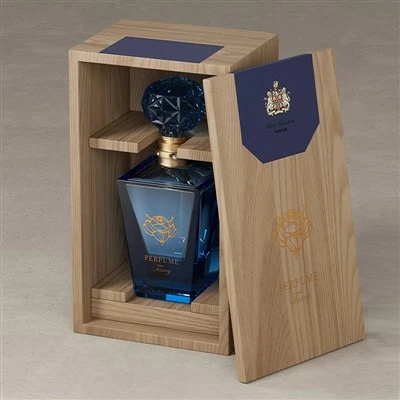
Mid‑to‑high‑end hardwoods such as black walnut, ash, and cherry wood, with their premium grain texture, hard density, and stable deep colours, have become the mainstream choice for high‑end jewellery boxes and corporate gift packaging. However, the raw material cost of solid wood is typically 1.8 to 2.2 times that of plywood of the same size, with processing waste rates as high as 15%–25%.
Despite the higher cost, market demand for hardwoods continues to expand. According to industry statistics, the Chinese wooden gift box market was valued at approximately RMB 6.8 billion in 2023 and is expected to exceed RMB 12 billion by 2030, with a compound annual growth rate of 8.5%. In the Yangtze River Delta high‑end tea and gift packaging industrial belt, souvenirs exported to Japan and Europe increasingly favour solid wood solutions, often subject to 72‑hour constant temperature and humidity tests in compliance with the JIS Z 1515 standard.
IV. Precious Hardwood: The Ultimate Luxury Collectors' Grade
Precious hardwoods such as ebony, rosewood, and red sandalwood are extremely dense, with deep, oily lustre and an innate elegance. These materials are mostly used for high‑end collectibles, cigar boxes, or heirloom‑quality jewellery cases. Due to the high cost of raw logs, customisation thresholds are extremely high. Industry data show that FSC forest certification has become a standard requirement for international brands sourcing wooden boxes, with certified products commanding a premium of 20%–30%.
V. Emerging Eco‑Friendly Materials: The Biggest Variable in the Green Transition
Bamboo wood (laminated bamboo) is the fastest‑growing eco‑friendly material in recent years. It offers high hardness, wear and compression resistance, and a light‑coloured, non‑polluting profile, making it increasingly popular in tea boxes, stationery boxes, and similar categories. A broader revolution in eco‑materials is underway: bamboo fibreboard, bagasse board, and corn‑starch‑based adhesives are gradually replacing traditional PVC and chemical glues; "biomass‑based panels" pressed from agricultural wastes such as wood chips and straw are now being used for linings and structural components.
Market data confirms this trend: in the first five months of 2026, demand for eco‑friendly packaging products made from bamboo‑wood composites and oriented strand board grew by 17.4%, significantly outpacing traditional solid wood categories. Meanwhile, over 78% of consumers say they are willing to pay a 5%–15% premium for brands that use sustainable packaging.
Market Outlook: Material Upgrades and Industrial Transformation in Parallel
In 2025, the global wooden packaging market was valued at approximately RMB 260.93 billion, with China, as the world's largest producer of wooden packaging, contributing over 40% of production capacity. The industry is now accelerating its shift from "traditional manufacturing" to "digital intelligence and smart packaging." AI simulation platforms can compress the structural validation cycle for wooden boxes from 14 days to just 2 hours; "smart wooden boxes" integrated with NFC/RFID chips achieve a user re‑engagement rate 300% higher than ordinary packaging.
On the materials front, fast‑growing bamboo, composite panels made from nut shells, and recycled wood are gradually replacing rare hardwoods, while water‑based wood wax oils are fully replacing solvent‑based paints. Modular, easy‑to‑disassemble design concepts are emerging to extend the lifecycle of packaging. It is foreseeable that the material landscape for wooden box packaging will continue to evolve towards environmental friendliness, functionality, and intelligence. Material selection will no longer be just a matter of cost accounting, but a comprehensive proposition concerning brand value and sustainable development.