I. Classification by Functional Use: Defining the Core Scenario
The purpose of a wooden box determines its size, sturdiness, and interior design. It is mainly divided into three categories:
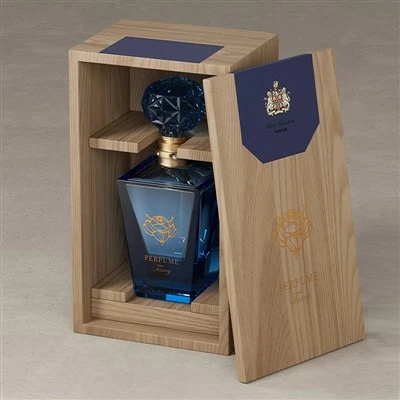
Product Packaging Boxes: Designed as the "outer garment" for specific products, such as tea boxes, liquor boxes, cigar boxes, and cosmetic gift boxes. These boxes emphasize display效果, impact cushioning, and typically require precise slot positioning.
Daily Storage Boxes: Used for organizing everyday or office items, such as watch boxes, jewelry boxes, seal/stamp boxes, and office stationery boxes. These focus on ease of access, reasonable internal compartments, and a certain level of durability.
Corporate Gift / Commemorative Boxes: Often used for annual meetings, anniversaries, or VIP souvenirs, such as medal/certificate boxes and commemorative wooden boxes. These products place greater emphasis on visual texture impact and the perfect presentation of brand logos.
II. Classification by Raw Material: Determining Cost and Grade
The "bone structure" of a wooden box depends entirely on the material. In actual production and customization, raw materials are mainly divided into engineered wood and solid wood:
Entry-Level (Engineered Wood): Mainly MDF (medium-density fiberboard) and plywood. Advantages: high flatness, extremely low cost, suitable for large-volume, low-cost paper-laminated or veneer-covered packaging. Disadvantages: relatively weaker environmental performance, prone to moisture deformation.
Mid-Range Entry (Softwood / Lightwood): Represented by pine and paulownia. These woods are relatively soft, light in color, with natural knots and wood aroma (as with the magnetic pine watch box you previously noted). The biggest advantage is their ease of processing, making them highly suitable for laser engraving and screen printing logos. They offer excellent cost-performance and are a mainstream material for custom gifts.
Mid-to-High-End Hardwood: Represented by black walnut, ash, and cherry. These feature fine grain, hard texture, and stable, deep colors, exuding understated luxury. Commonly used for premium jewelry boxes and corporate gifts, but relatively higher in price.
Ultra-High-End (Hardwood / Precious Timber): Such as ebony, rosewood, and red sandalwood. Extremely dense, with deep, oily luster and inherent elegance, mostly used for high-end collectibles, cigars, or heirloom-quality jewelry boxes.
Eco-Friendly Emerging Material: Bamboo wood (laminated bamboo). High hardness, wear-resistant and compression-resistant, light-colored, and environmentally friendly. In recent years, it has gained favor in tea boxes and stationery boxes.
III. Classification by Box Structure: Affecting User Experience
The opening method not only relates to user habits but also determines the processing techniques (such as magnets and hardware selection):
Lid-and-Base (Heaven-and-Earth) Type: Two-piece separate design, fully open when accessing items, visually minimal. Often used for tea boxes and jewelry boxes.
Hinged Flip-Top Type: Connected by metal hinges between the lid and base, offering a ceremonial "unboxing" experience. Commonly used for premium liquor boxes and cigar boxes.
Drawer / Sliding Type: Horizontal pull-out opening, equipped with handles or carved finger slots. Better suited as inner boxes for sets or display cabinets with limited space.
Magnetic Closure Type (a recent hit): Uses strong invisible magnets embedded in the four corners to吸附 open/close. No exposed hardware, silent operation, and a satisfying snap when closed. The preferred choice for minimalist, light-luxury designs, especially watch boxes and jewelry boxes.
Window Type: The lid is镂空 and inlaid with transparent acrylic or glass, allowing the product to be "visible but untouchable," effectively increasing shelf exposure.
Foldable / Interlocking Type: Can be flattened for shipping and assembled by the user, greatly saving logistics costs for export.
IV. Classification by Surface Finishing Process: Determining Visual Appeal
The "face" of a wooden box directly determines the product's first impression:
Paint Finishes: Clear varnish (retains natural wood color), matte varnish (understated), high-gloss baking paint (mirror-like, premium), tinted / color-washed paint (alters the wood's natural hue), and open-pore / closed-pore finishes (determines whether the surface has visible grain texture or is smooth as glass).
Aging / Antique Techniques: Artificial creation of a timeworn, weathered look through localized sanding, staining, waxing, etc. Ideal for retro cultural products and intangible cultural heritage packaging.
Surface Veneer / Lamination: Wood veneer (using density board as the core and applying a 0.5mm thin slice of precious wood externally to achieve a high-end wood appearance at a cost-effective price), and paper lamination / film coating (lowest cost, but with average texture, mostly used for inexpensive daily goods).
V. Classification by Interior Construction: Regarding Protection and Display
The interior design determines whether the product is securely and elegantly placed:
Foam / EVA Inserts: Using high-density foam or eco-friendly EVA material to precisely cut slots that perfectly cradle the product. This design offers excellent shock and drop protection, making it ideal for watches and electronic products.
Flocked / Velvet Linings: Adhering velvet fabric (e.g., black, burgundy, royal blue) to the interior base. The soft touch prevents scratches on the product surface from hard wood and presents a visually luxurious feel.
Trays / Inner Drawers: Removable small trays or layered compartments inside the box for easier access to smaller items.
Dividers / Partitions: Using wooden strips or soft materials to divide the interior space into multiple independent compartments, suitable for multi-slot watch boxes, multi-compartment tea boxes, or multi-bottle perfume boxes.