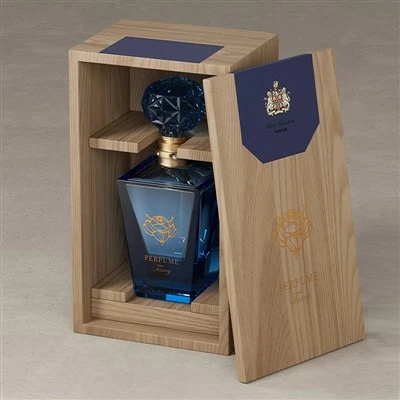
In terms of materials, solid wood is mainly pine, paulownia, oak, beech, and walnut. Pine has clear grain, a light warm color, and moderate cost, making it suitable for mid-range gift boxes. Paulownia is lightweight, soft, and resistant to deformation, and is often used for mass-produced products. Oak, beech, and walnut are hard, attractive in grain, and mostly used for high-end wine boxes. To control costs, density board, plywood, and MDF are also widely used, with wood veneer, PVC, or wood-grain finishes applied to the surface.
For craftsmanship, box bodies are often glued, nailed, or joined with mortise-and-tenon structures. Surfaces can be sanded and lacquered, baked, or given an open-pore finish, and brand identity can be presented through silk-screen printing, hot stamping, laser engraving, or metal nameplates. Inner linings commonly use EVA, sponge, velvet, or pearl cotton to secure and cushion the bottle. Material selection should balance product positioning, budget, environmental standards, and transport protection.