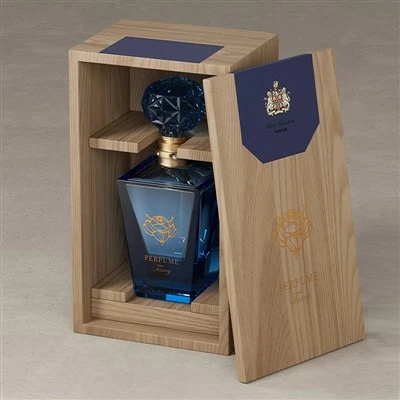
First, from a logistics and transportation perspective, the core function of wooden crates is to protect goods from damage. During long-distance transportation or multiple loading and unloading processes, goods are easily damaged by collisions, compression, or vibration. Wooden crates, with their sturdy structure and high-strength materials, can effectively absorb and disperse external impact forces, providing a safe transportation environment for goods. Furthermore, wooden crates are usually designed with reasonable internal space and can be customized according to the shape and size of the goods, ensuring that the goods remain stable inside the crate and reducing damage caused by shaking.
Second, wooden crates also play an important role in goods storage. In warehouses or storage spaces, goods need to be stacked to save space. Due to their high compressive strength and stable structure, wooden crates can withstand the weight of the goods on top without deformation or damage. This allows goods to be safely stacked in multiple levels, improving warehouse utilization. At the same time, wooden crates also have good sealing properties, which can prevent moisture and dust to a certain extent, protecting goods from environmental factors.
Furthermore, wooden crates also have a certain display function. In the sales process, a neat and well-structured wooden crate often leaves a good first impression on consumers. Wooden crates are typically polished, resulting in a smooth appearance free of tree holes and insect damage, giving them a professional and high-end look. This helps enhance the overall image of the product and increases consumers' willingness to buy.