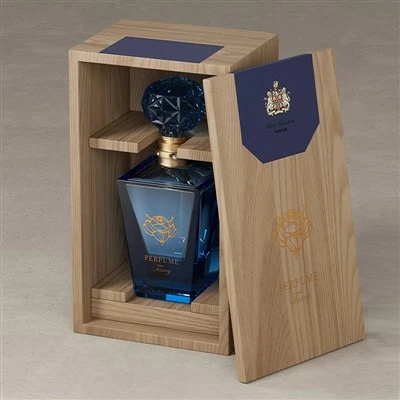
Historically, to conserve timber and reduce transportation weight, there have been practices of replacing wooden crates with other materials. For example, in the 1970s, Moutai liquor packaging abandoned straw crates, replacing wooden crates with cardboard boxes, reducing the number of bottles per box to 12, thus saving a significant amount of timber.
Traditional disposable wooden crates cause resource waste, with the value of wasted disposable packaging wooden crates nationwide estimated at approximately 100 billion yuan per year. Against this backdrop, a reusable "recycled shared wooden crate" business model has emerged, employing a nail-free snap-fit structure. This model's service process includes supply, recycling, refurbishment, and reinvestment. Its lifespan is approximately 2-3 years, and profitability is achieved after more than 4 reuses. This model has already been applied in industries such as aluminum foil and aluminum coils, and new energy batteries. As of March 2026, nearly 8,000 recycled wooden crates had been deployed, reused over 40,000 times, with a loss rate of approximately 5%.