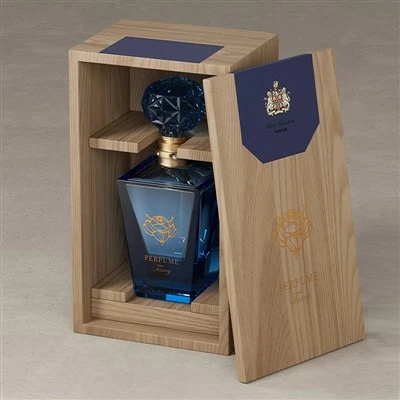
I. Material Introduction: The Most Versatile Softwood, Simplicity with Quality
Pine is a coniferous tree and one of the most recognised and widely used woods in the world. Common varieties include Scots pine, radiata pine, New Zealand pine, and Masson's pine. While density and grain vary slightly among species, their overall physical properties are similar. The air‑dry density of pine generally ranges from 0.40 to 0.55 g/cm³, classifying it as a low‑to‑medium density wood – relatively light but with a uniform structure.
In terms of mechanical properties, pine performs well across the board. Its bending strength is approximately 70–80 MPa, compressive strength parallel to grain is 35–45 MPa, and nail‑holding power can reach 800–1200 N. The radial shrinkage coefficient is about 0.24%, indicating acceptable dimensional stability. Pine has straight, even grain and uniform structure, with average shrinkage efficiency, making it easy to saw, nail, and machine. However, pine also has higher moisture content and relatively soft texture, requiring artificial treatments such as drying and resin removal before use.
From a sustainability perspective, pine resources are abundant and highly renewable, making it one of the world's most important commercial timber species. In terms of cost, pine raw material is priced at approximately RMB 3,800/m³ – higher than paulownia at RMB 2,200/m³, but far lower than mid‑to‑high‑end hardwoods like black walnut. Its relatively soft nature and ease of processing make pine exceptionally well‑suited for surface decoration techniques such as laser engraving, branding, and screen printing – these factors position pine as one of the most in‑demand material categories in custom wooden box manufacturing.
II. Performance in Wooden Boxes: Clear Grain, Warm and Approachable
The performance of pine in wooden boxes can be summed up in four words: clear, warm, soft, and genuine.
Clear – Pine has straight, distinct grain with closely spaced lines and gracefully undulating curves. Its sapwood ranges from white to light yellow, offering a natural, unpretentious colour. Pine boxes need little ornamentation to fully express the authentic beauty of the material. For designs pursuing a "log style" or "Scandinavian style," pine is an excellent natural medium with strong expressive power.
Warm – Pine's natural colour is distinctly warm, with a light yellowish tone that is visually inviting. This warm hue makes it naturally suitable for gift packaging, home storage, and other scenarios that convey warmth and affection. Whether it is a tea box on the tea table, a stationery box on the desk, or a wine box on the shelf, pine blends into the environment with unobtrusive grace, becoming a "just right" presence in any space.
Soft – Pine is light and resilient, with a low‑allergy, skin‑friendly tactile feel. Finely sanded pine boxes have a smooth, warm surface that, over time, develops a soft patina with use. It is especially suitable for drawer‑type, flip‑top, and other box structures that require frequent hand contact – opening and closing smoothly with a solid, reassuring feel. Pine has good elasticity and breathability, excellent thermal conductivity, and is easy to maintain. The subtle wooden friction sound when opening a pine box is a rustic quality that mass‑produced products cannot replicate.
Genuine – Pine carries a faint, pleasant resin fragrance – not pungent or cloying, but the very scent of nature itself. The grain direction and knot distribution of each piece of pine are unique, giving every box its own story of texture. These natural "imperfections" – knots, colour variations, grain irregularities – are precisely what make pine so genuinely moving.
III. Surface Finishing Techniques: Maximising Strengths, Minimising Weaknesses
Pine is relatively soft (Janka hardness approx. 400 lbf), with coarse tracheid structure and resin content, requiring targeted finishing techniques to enhance its strengths and compensate for its weaknesses. Choosing the right process can fully leverage pine's natural advantages while mitigating its lower hardness and susceptibility to moisture absorption.
(1) Pre‑treatment: The Essential Step for Pine Coating
Pre‑treatment before finishing is critical for pine. Pine contains resin; if coated directly without treatment, it is prone to "bleeding," blistering, and delamination under high‑temperature conditions. A standard pre‑treatment process includes: kiln drying to reduce moisture content (required to be no more than 10%), resin removal to eliminate organic compounds, bleaching to unify wood colour, and neutralising the wood's acidity. Because pine has a loose texture, it also requires a sealing coat before finishing. Only adequately pre‑treated pine can ensure good adhesion and durability of subsequent coatings.
(2) Transparent Coatings: Preserving Authenticity with Protection
Pine's most appealing qualities are its natural colour and clear grain. Transparent finishes are the mainstream choice for preserving its authenticity:
Clear varnish / matte varnish – Retains pine's natural colour and presents a matte or subtle sheen, ideal for "log style" or "Scandinavian style" gift boxes and storage boxes. Pine furniture finishing typically uses sprayed transparent matte polyester varnish. A recommended process route is "sealer coat + sanding + transparent topcoat" to ensure film adhesion and durability.
Wood wax oil – Wood wax oil is a penetrating finish that goes deep into the wood fibres, leaving a more natural appearance. Pine can be treated with wood wax oil by wiping. Due to its low density and strong oil absorption, multiple coats are usually required to achieve the desired effect. Wood wax oil does not form a film, so it does not have hardness ratings like traditional paints; its scratch and abrasion resistance are somewhat lower, but it excels in environmental friendliness, warm touch, and preserving the wood's natural colour and grain.
(3) Colouring and Antiquing: Expanding Style, Elevating Texture
Pine's light‑coloured base provides a wide scope for colouring:
Wipe staining / dyeing – Pine is relatively soft and low in density, making it less receptive to staining; if colouring is desired, lighter shades are recommended. Wipe‑stain finishes can produce walnut, antique, and other tones, achieving the visual effect of higher‑end woods at lower cost.
Antiquing / distressing – Through artificial brushing and edge‑sanding treatments, pine boxes can acquire a naturally aged, handcrafted feel. Vintage‑style pine boxes are especially popular in cultural and creative products, fragrance packaging, and similar fields.
Whitewash / opaque paints – Water‑based finishes for pine furniture mainly include clear varnish series, whitewash series, and white paint (opaque colour) series. Whitewash effects create a fresh, modern look, suitable for youthful brands and home settings.
(4) Surface Decoration: Pine's "Ace Track"
Pine's uniform fibre structure and smooth grain make it an excellent substrate for surface decoration – and this is precisely where pine outshines many other materials:
Laser engraving – Pine's smooth, even grain allows for clean, precise engraving with sharp visual contrast, making it ideal for brand logos and custom patterns. Pine boxes can be fully laser‑engraved; the burnt effect after engraving, combined with the wood's natural base colour, produces a primitive artistic beauty.
Branding / hot stamping – To achieve ideal branding results, pine is the best choice. Its uniform texture ensures crisp, durable branded patterns and text. Customisation options include engraving, branding, hot stamping, and more, without masking the wood's natural colour.
Screen printing / hot foil stamping – Pine's fine surface provides excellent ink adhesion and hot‑foil results, suitable for multi‑colour printing and intricate designs. With its clear grain, pine is especially well‑suited for embossed hot foil stamping.
Gilding / gold rubbing – Applying gold pigment or foil to engraved pine surfaces elevates graphics and text from two‑dimensional to three‑dimensional, significantly enhancing the box's decorative value.
Conclusion
The value of pine in the custom wooden box sector is being increasingly recognised by brands and designers alike. It is not the most expensive wood, but it is the most "practical" material – clear grain without being showy, warm texture without being flashy, easy to process without limitations, and affordable without being cheap. In today's gift‑packaging landscape, which demands both "natural appeal" and "customisation," pine stands as a solid bridge between cost and quality, function and aesthetics, leveraging its unique material attributes and exceptional adaptability to various finishing techniques.