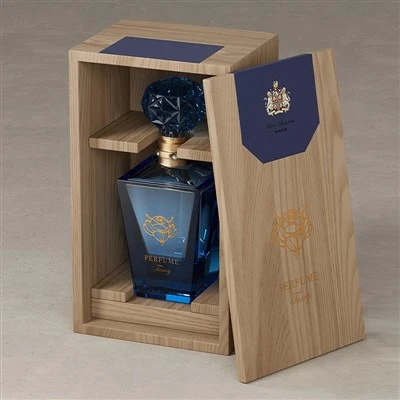
I. Lid-and-Base (Heaven-and-Earth) Type
The lid and base are separate pieces, opening completely for a pure, minimalist look. Widely used for tea boxes and jewellery boxes, they offer unobstructed access and excellent display. The structure is relatively simple, but high dimensional precision is required-smooth opening and closing is key to quality.
II. Hinged Flip-Top Type
The lid and base are connected by metal hinges, creating a ceremonial "unboxing" experience. Commonly used for wine boxes, cigar boxes, and premium gift boxes. Can be paired with locks or magnetic catches to enhance security and a sense of luxury.
III. Drawer / Sliding Type
Opens by horizontal pull, saving vertical space-ideal for display cabinets or as inner boxes within sets. Equipped with handles or carved finger slots, often used for stationery boxes and multi‑compartment storage boxes. Compact structure, requiring smooth‑running slides.
IV. Magnetic Closure Type
Strong invisible magnets embedded in the four corners-no exposed hardware, silent operation, and a satisfying snap when closed. The top choice for minimalist, light‑luxury designs, especially watch boxes and jewellery boxes. Magnet strength must match the lid weight to ensure a secure closure.
V. Window Type
The lid is cut out and inlaid with transparent acrylic or glass, allowing the product to be "visible but untouchable," increasing shelf appeal. Commonly used in food and cosmetic display packaging, balancing protection with visual marketing.
VI. Foldable / Interlocking Type
The box can be shipped flat and assembled by the end‑user, greatly saving storage and transport costs. Suitable for cross‑border e‑commerce and bulk export scenarios, but structural strength and refinement are relatively limited-mostly used for affordable daily‑use packaging.
Selection Recommendations
Focus on display and ceremony → hinged flip‑top or lid‑and‑base.
Emphasise storage convenience and space efficiency → drawer type.
Pursue modern minimalism and texture → magnetic closure.
Consider logistics costs → foldable/interlocking type.
Need visibility with dust protection → window type.
There is no absolute right or wrong in box‑type selection-the key is to find the best balance between functionality, cost, and brand identity.