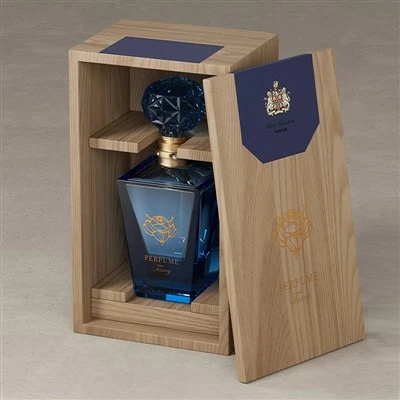
The manufacture of wooden gift boxes blends traditional craftsmanship with modern production technology. The level of craftsmanship directly impacts the product's aesthetics, protective properties, and added value.
Manufacturing techniques include traditional tenon joints, right-angle splicing, 45-degree angle splicing, mortise and tenon joints, copper inlay, relief carving, and jade inlay. Modern techniques include laser engraving and mechanical relief carving. Surface treatments are diverse, including coatings with chemical paints, wood wax oil, and water-based paints, or applying paper veneer, wood veneer, or genuine leather to a MDF substrate. Environmentally friendly wooden packaging boxes are meticulously sanded and polished.
To protect the contents from impact, the interior of the box is often lined with materials such as velvet, EPE, paper, sponge, and foam plastic for cushioning and securing. Technological advancements have also spurred functional designs. For example, patent CN213414518U showcases a wooden packaging box that effectively clamps and secures the contents through a structure involving internal convex plates, compression rods, springs, and clamping plates, preventing shaking during transportation.
Current focus on craftsmanship includes pre-treatment techniques for wood (such as drying and moisture-proofing), surface treatment processes (such as paint uniformity and sanding smoothness), and the precision of joints, requiring finished products to be free of burrs, deformation, and have smooth opening and closing.